
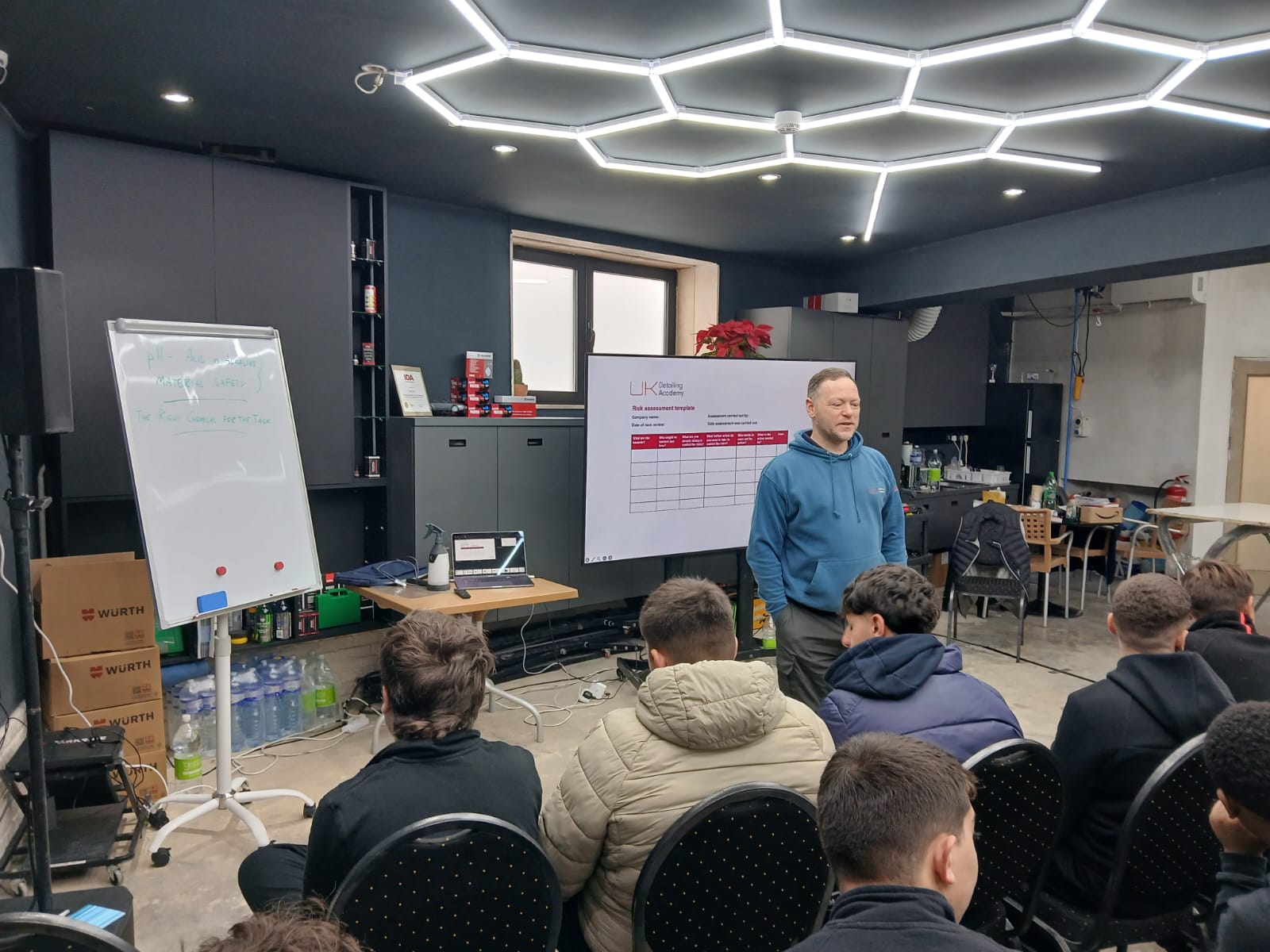
Keeping our people trained and resilient for the upcoming future – first detailing course for the students at ALP
Malta’s long-term vision for transport and mobility is increasingly centred on one decisive factor: skills. As the sector undergoes rapid technological, environmental and operational change, the ability to attract, train and retain a resilient workforce is becoming just as critical as investment in infrastructure.
Recent events have underlined this reality. Extreme weather episodes such as Storm Harry required swift, coordinated responses across multiple transport domains, highlighting the importance of preparedness, adaptability and professional expertise. At the same time, Malta stands on the threshold of an ambitious national roadmap, Malta Vision 2050, in which mobility and transport feature as key drivers of economic and social development.
Yet a transversal challenge cuts across all these plans: the skills gap.
Transport has traditionally offered stable and well-defined career paths. Over the years, Malta has successfully built strong niches in logistics, maritime services, aviation and ship and aircraft registration, each creating its own ecosystem of specialised services and economic activity. Alongside these, a wide range of ancillary and support industries have flourished.
However, the global shift towards sustainability is reshaping every layer of the sector. Regulatory pressures, environmental targets and market expectations are accelerating the move towards greener, smarter and more efficient operations. While many established professions are gradually adapting, the pace of change required is far greater than incremental adjustments.
The real competitive edge will come from new skills and new specialisations.
One of the challenges is perception. For many young people, transport is not an obvious first choice of career, despite the diversity and quality of opportunities it offers. Attracting fresh talent into emerging niches is therefore essential if Malta wants to remain competitive in high-value segments of mobility.
Vehicle, vessel and aircraft detailing is a clear example of such a niche. Often associated only with premium cars, professional detailing in reality spans superyachts, commercial vessels, helicopters and aircraft. It is a highly specialised craft combining technical knowledge, precision workmanship and an understanding of advanced materials and finishes. For high-end clients and quality tourism, it is a critical service that protects asset value and upholds brand standards.
Recognising this opportunity, Transport Malta recently organised a dedicated training course for more than 50 students within the Alternative Learning Programme (ALP), delivered in collaboration with the Malta Detailing Academy. This marked the first time such specialised, industry-led training was offered directly to this student cohort.
Over an intensive week, local and international experts introduced participants to professional techniques for cleaning, restoring and preserving vehicles and vessels close to their original condition. Beyond the practical skills, students gained visibility of a career path that connects mobility, craftsmanship and entrepreneurship.
Importantly, detailing also intersects with sustainability. Proper maintenance extends the life of vehicles and assets, reduces the need for premature replacement and supports more efficient use of resources. In maritime and aviation contexts, surface care can also contribute to performance and fuel efficiency.
Initiatives like this demonstrate how targeted skills investment can unlock new economic niches while addressing broader strategic goals. They align closely with Malta Vision 2050’s emphasis on connectivity, innovation and sustainable growth, and show how public authorities and private academies can collaborate to build future-ready capabilities.
For the business community, the message is clear. Competitiveness in transport will increasingly depend on human capital as much as physical capital. Building capacity, fostering specialised expertise and creating attractive career pathways are essential to support high-value services and resilient operations.
The ALP detailing course is only a starting point. More specialised programmes and partnerships are planned, aimed at widening participation and raising professional standards across the sector.
Investing in skills is, ultimately, investing in Malta’s future mobility ecosystem. By strengthening resilience and sustainability in a sector long defined by both tradition and transformation, Malta positions itself to capture new opportunities in premium, innovation-driven transport services.
This is the beginning of a broader shift: from simply moving people and goods, to cultivating the expertise that will power the next generation of mobility.